
Why English Might Actually Be the Easiest Language in the World
Despite its confusing spelling, English offers a massive shortcut to fluency that no other language has: the sheer power of global pop culture.
Read Guide →
Learn the science behind mastering English without memorizing grammar tables or playing repetitive games.
↓ Read the English RoadmapNew to Comprehensible Input? Read our general language methodology here.
1.35 Billion
Latin Alphabet (26 letters)
English has the largest vocabulary of any language, with over 170,000 words in current use. But research shows you only need around 3,000 to understand 95% of everyday texts.
The word 'set' holds the record for the most definitions in the English dictionary—over 430 different meanings depending on context.
Words like 'give up', 'take off', or 'look into' change meaning entirely when combined. Memorizing lists is futile; you must see them in context to naturally feel their meaning.
English spelling famously doesn't match its pronunciation (e.g., though, through, rough). Listening to audio while reading is mandatory to bridge the gap between spelling and sound.
Native speakers don't say 'What are you doing?' They say 'Whatcha doin?' You cannot learn this rhythm from a textbook—it requires hundreds of hours of listening.
Focus: Getting used to the sound of English. Learning basic glue words. Being able to distinguish between individual words and rhythms in spoken sentences.
Focus: Immersing in Comprehensible Input. You can now read simple stories and impress native speakers with basic phrases. The challenge here is finding content that actually interests you at this precise level.
Focus: You are consuming near-native, highly entertaining content. Listening to audio, reading extensively, and letting complex grammar structures wire themselves into your brain subconsciously.
At this point, you don't need language apps. Consume native YouTube, read native books, speak to native speakers. It's all about repetition and maintenance now.
Executing Phases 2 & 3 manually is incredibly frustrating. Finding native content at your exact reading level is rare. Audio transcripts don't always match. Stopping to make manual flashcards breaks your immersion. Tracking a 7,000-word vocabulary in a spreadsheet is impossible.
Gummely is built entirely around automating this friction away, so you spend 100% of your time immersed in English.
Generates CI content exactly at your current word-count level.
Perfectly synced audio trains your ear to the natural rhythm of the language.
Watch your progress visually as you approach the 7,000-word 'delete the app' goal.
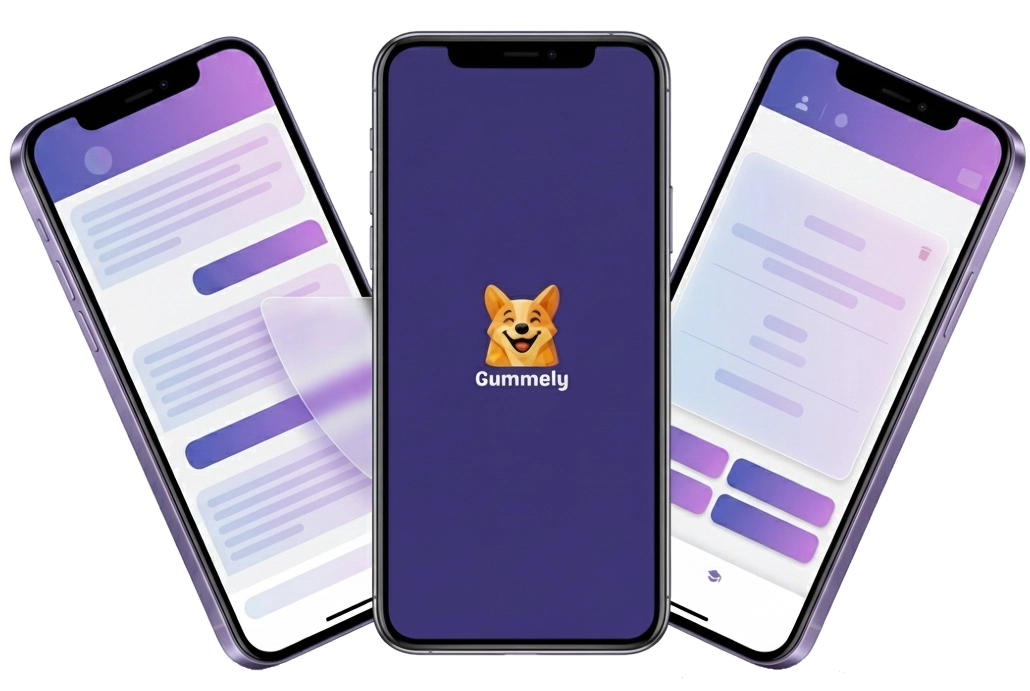
Despite its confusing spelling, English offers a massive shortcut to fluency that no other language has: the sheer power of global pop culture.
Read Guide →Its lack of gendered nouns and cases makes early progress very fast. The difficulty spikes at the advanced level due to massive vocabulary and highly irregular spelling.
No. If you consume enough English content at your exact reading level, grammar rules like the Past Perfect or conditionals will wire themselves into your brain intuitively.
Absolutely. You can set your level to advanced, and the AI will generate complex essays, business news, and literature specifically containing the rare vocabulary you need to hit C2.
Gummely focuses on Comprehensible Input rather than translation drills. We generate English stories exactly at your vocabulary level to facilitate natural acquisition.
Yes! A single Gummely subscription grants access to all 11 languages including Spanish, German, French, Japanese, and Chinese.